




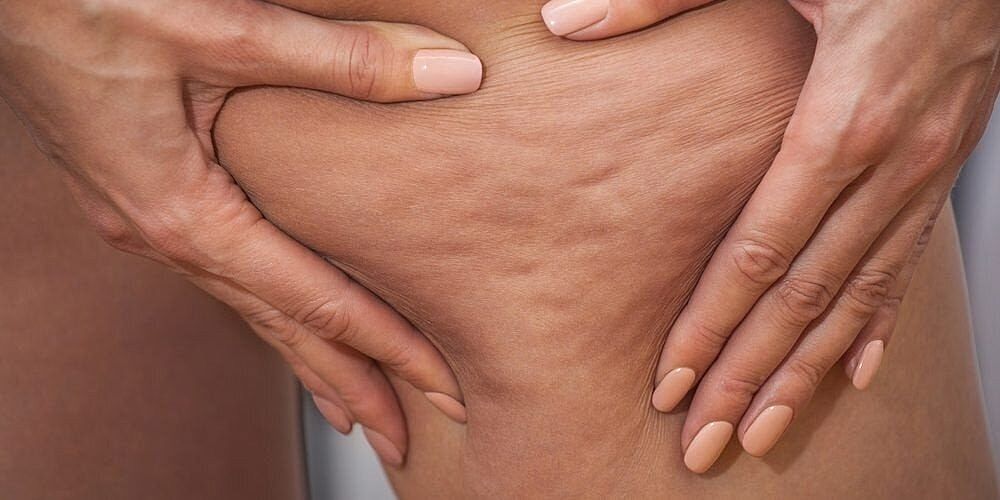
Liposuction is primarily a body-contouring procedure designed to remove localized deposits of unwanted fat. It can reshape areas where stubborn fat remains despite healthy eating and regular exercise. However, removing fat is very different from changing the structure or elasticity of the skin.
The distinction is important because cellulite and loose skin involve tissues that fat removal alone cannot adequately correct. Understanding these differences can help people develop realistic expectations before considering a cosmetic procedure.
Why Lipo Does Not Eliminate Cellulite
Cellulite is characterized by a dimpled or uneven appearance of the skin, commonly affecting the thighs, hips, buttocks, and abdomen. It is influenced by the relationship between fat beneath the skin, connective tissue bands, skin structure, and other individual factors.
Liposuction removes selected fat cells beneath the skin, but it does not directly release or restructure the connective tissue bands responsible for many cellulite dimples. As a result, removing fat does not necessarily make the skin surface smooth.
In some cases, aggressive or uneven fat removal may even make existing irregularities more noticeable. This is why liposuction should not be presented as a dedicated cellulite treatment.
Why Loose Skin Is a Different Problem
Loose skin occurs when the skin has lost some of its ability to contract and adapt to the body’s contours. Aging, significant weight loss, pregnancy, genetics, and reduced skin elasticity can all contribute to excess or sagging skin.
When fat is removed, the skin needs to conform to the newly reduced volume underneath it. People with good skin elasticity may experience relatively smooth results, while individuals with thin or less elastic skin may continue to have loose or lax tissue afterward.
This means removing additional fat is not necessarily the solution to sagging skin. In fact, taking away more volume when significant skin laxity is already present may sometimes leave the skin looking less supported.
The Importance of Skin Elasticity
Skin quality plays a major role in body-contouring results. Younger skin generally has greater elasticity, although age alone does not determine how well someone’s skin will respond.
Factors such as genetics, sun exposure, fluctuations in body weight, pregnancy, and the amount of weight previously carried can influence skin elasticity. A qualified provider should evaluate the skin as well as the underlying fat before recommending treatment.
For example, someone with localized fat and firm skin may be a better candidate for liposuction alone than someone whose primary concern is substantial loose skin.
What About Laser-Assisted Techniques?
Some modern body-contouring techniques use energy such as lasers or other technologies in combination with fat removal. These approaches may have additional effects on surrounding tissue, but they should not automatically be considered a guaranteed solution for cellulite or significant loose skin.
Research into energy-assisted approaches for cellulite and skin tightening continues, and outcomes depend on the technology, treatment area, patient characteristics, and provider technique. People should discuss the expected benefits and limitations rather than assuming that every procedure marketed as “laser” will tighten or smooth the skin.
Choosing the Right Treatment for the Right Concern
If the primary concern is a localized pocket of fat, liposuction may be appropriate after a professional evaluation. If the main concern is cellulite, however, a cellulite-specific treatment may be more relevant because the underlying tissue structure differs from ordinary fat deposits.
For significant loose skin, surgical skin removal procedures may sometimes be considered instead of relying on fat removal alone. In certain situations, a combination of procedures may be recommended to address both excess fat and excess skin.
Someone researching options such as liposuction The Woodlands should therefore focus on finding a qualified medical professional who can distinguish between unwanted fat, cellulite, and skin laxity before recommending a treatment plan.
Realistic Expectations Matter
One of the most important parts of cosmetic treatment planning is understanding what a procedure can and cannot accomplish. Liposuction can improve body contours by reducing targeted fat deposits, but it is not a general weight-loss treatment and should not be expected to erase cellulite or remove significant excess skin.
A consultation provides an opportunity to discuss the specific concern, examine skin quality, review health factors, and determine whether liposuction alone or another approach is more appropriate.
The Bottom Line
Liposuction works by reducing unwanted fat, while cellulite and loose skin involve different anatomical and structural issues. Cellulite is associated with connective tissue and the way fat interacts with the skin, whereas loose skin is primarily related to reduced elasticity and excess tissue.
Knowing this difference can prevent unrealistic expectations and help people choose treatments based on their actual concerns. A personalized evaluation is the best starting point for determining whether fat removal, skin tightening, skin removal, cellulite treatment, or a combination approach makes sense.
