




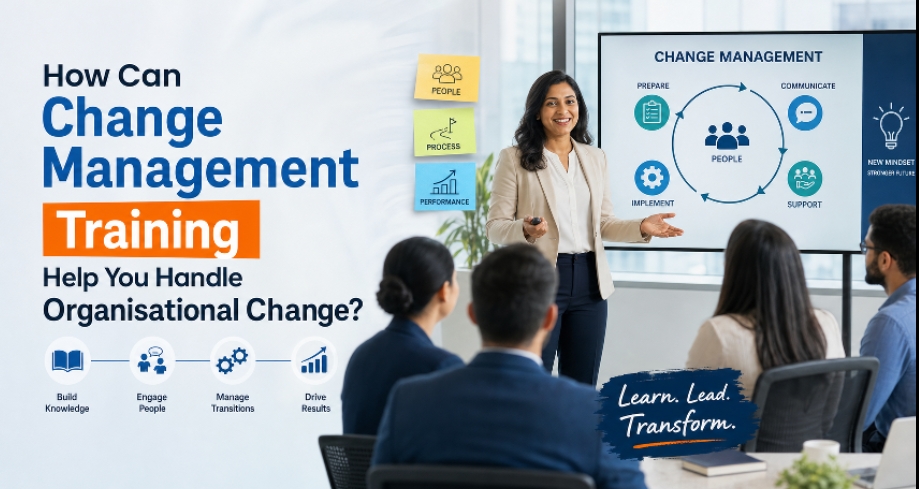
Organisational change can affect processes, technology, job roles, leadership, and employee expectations. Without proper planning, even useful changes can create confusion, resistance, and poor adoption. Change Management Training helps professionals understand how people respond to change and how to guide them through workplace transitions. A Change Management Course can develop practical skills in communication, stakeholder engagement, leadership, and resistance management. For professionals seeking structured learning, APMG Change Management Training covers important areas such as organisational context, people, teams, communication, and leadership, helping professionals approach transformation with greater confidence and consistency.
How Does Change Management Training Prepare Employees for Organisational Change?
Organisations introduce change for many reasons, including new technology, restructuring, improved processes, or changing customer needs. However, employees can struggle when they do not understand what is happening or how their work will be affected. Change Management Training helps professionals prepare employees by considering both organisational and human factors. It encourages managers to explain the purpose of change, identify concerns, assess impacts, and provide suitable support before new systems, processes, or working practices are introduced.
Understanding the Impact of Change
Every organisational change affects people differently. Some employees may quickly accept a new process, while others need additional information or support. A structured approach helps managers identify these differences before implementation. APMG’s change management framework considers organisational context, culture, people, and different approaches to change. Understanding these factors allows professionals to create a suitable strategy instead of applying the same method to every situation. This can make change planning more realistic and focused.
Preparing People Before Implementation
Preparation can influence how employees respond to change. Managers should explain why the change is necessary, what benefits it may provide, and how employees’ responsibilities could be affected. They can also identify training and support requirements early. Giving people time to understand a transition can reduce uncertainty and encourage participation. Instead of receiving instructions at the last minute, employees have an opportunity to prepare themselves and understand what is expected from them.
Building Employee Readiness
Employee readiness develops through clear information, relevant training, leadership support, and opportunities to ask questions. Professionals can assess whether employees understand the proposed change and whether teams have the resources required to adopt it. Any gaps can then be addressed before implementation. This creates a more organised transition and helps employees feel supported throughout the process. It also gives managers a better understanding of where additional guidance may be needed.
How Can Change Management Training Help Teams Manage Resistance to Change?
Resistance is a common response when people face uncertainty or believe a change could negatively affect their work. Employees may worry about new technology, responsibilities, workload, performance expectations, or job security. Change managers need to understand these concerns rather than automatically treating resistance as a problem. Change Management Training helps professionals recognise different responses to change and choose suitable ways to address concerns while keeping the organisation focused on its objectives.
Identifying the Reasons for Resistance
Resistance can have many different causes. One employee may need more information, while another may have experienced unsuccessful changes in the past. Someone else may identify a genuine operational problem with the proposed solution. Professionals who understand these differences can respond more effectively. Listening to employees, investigating concerns, and identifying the underlying cause can reveal whether additional communication, training, involvement, or practical support is required. This approach can turn resistance into useful feedback.
Using Communication to Reduce Uncertainty
Unclear communication can increase resistance because employees may make assumptions about what a change means. Effective communication should explain the reason for change, expected outcomes, timing, and possible effects on employees. It should also provide opportunities for questions and feedback. Communication should continue throughout the transition rather than stopping after the initial announcement. Regular, relevant updates can reduce confusion and help employees understand what is happening as the change progresses.
Supporting Managers and Team Leaders
Managers often connect senior leadership with employees. They need to understand organisational objectives while helping their teams deal with practical challenges. A Change Management Course can help managers develop skills in communication, stakeholder engagement, coaching, and difficult conversations. These skills can make managers more confident when employees raise concerns. Instead of simply passing instructions to their teams, managers can become active supporters who explain the change and help employees adapt.
How Can Change Management Training Improve Communication During Change?
Communication becomes especially important when an organisation changes its systems, structure, processes, or strategy. Employees need reliable information throughout the transition. Change Management Training helps professionals consider who needs information, what they need to know, and when communication should happen. This structured approach can prevent information gaps and make messages more relevant. It also encourages organisations to treat communication as an ongoing activity rather than a single announcement made at the beginning of a change initiative.
Creating Clear and Relevant Messages
Different stakeholders have different priorities during organisational change. Senior leaders may focus on strategic objectives, while employees may want to know how their daily responsibilities will be affected. Communication should therefore be adapted to each audience. Professionals can create simple messages that explain what is changing, why it is happening, and what people need to do. Avoiding unnecessary jargon can also make information easier to understand and encourage employees to respond appropriately.
Engaging Important Stakeholders
Stakeholder engagement involves more than informing people about decisions. Appropriate stakeholders can provide useful insights before and during implementation. Employees who work directly with a process may identify practical issues that senior decision-makers have overlooked. APMG’s change management framework gives attention to stakeholder engagement and communication, helping professionals understand how relationships can influence change. Early involvement can also make employees feel heard and give managers valuable information for improving the implementation approach.
Encouraging Employee Feedback
Good communication should work in both directions. Employees need opportunities to ask questions, report problems, and share feedback about how a change is working. Organisations can use meetings, surveys, one-to-one discussions, and feedback channels to collect useful information. Managers can then identify areas requiring additional explanation or support. This creates a continuous communication loop and allows organisations to respond to practical issues as they appear instead of waiting until problems become difficult to resolve.
How Can Change Management Training Support Long-Term Organisational Success?
Successful change does not end after a new system or process is introduced. Employees must continue using new approaches until they become part of everyday work. Change Management Training helps professionals understand adoption, leadership, communication, and ways to sustain improvements over time.
Measuring Change Adoption
Organisations need to measure whether employees are actually adopting new processes. Useful indicators can include employee feedback, productivity, training completion, process compliance, and customer outcomes. Regular measurement helps managers identify challenges early and make adjustments before they affect long-term results.
Reinforcing New Behaviours
Employees may return to familiar habits if new behaviours are not supported. Managers can reinforce change by recognising progress, providing additional guidance, addressing difficulties, and maintaining clear communication. Consistent support helps new processes become a natural part of daily work.
Developing Change Leadership Skills
Change professionals often need to manage resistance, communicate with stakeholders, resolve conflicts, and support teams. APMG Change Management Training develops these skills through structured learning at Foundation and Practitioner levels. Tecknologia also provides relevant training options for professionals seeking to strengthen their change management capabilities.
Building Future Change Capability
A Change Management Course can help project managers, HR professionals, team leaders, and communication specialists develop a consistent approach to planning, implementing, and sustaining future organisational changes.
Conclusion
Organisational change becomes easier to manage when employees understand what is happening, why it matters, and how they can contribute. Change Management Training can help professionals improve communication, manage resistance, engage stakeholders, measure adoption, and support new behaviours. A Change Management Course provides a structured way to develop practical skills for different workplace situations. For professionals seeking recognised learning, APMG Change Management Training covers people, leadership, communication, stakeholders, and organisational change. Developing these capabilities can help organisations handle current transitions more effectively while building greater readiness for future changes.